
Retouching Workflow Optimization
Streamlining post-production for scale
Overview
As Harper Wilde’s product assortment and launch cadence accelerated, I identified an opportunity to significantly improve both efficiency and visual consistency within our post-production workflow — without compromising the elevated retouching quality that defined the brand.
With an increasing number of product launches and photoshoots each season, our existing retouching process was becoming more expensive, time-intensive, and difficult to scale. I led the initiative to research, pilot, and implement a new AI-empowered retouching solution that would allow the team to maintain a high-end aesthetic while dramatically reducing cost and turnaround time.
Organization: Harper Wilde
Role: Associate Director of Design
Challenge
One of the pillars of Harper Wilde’s visual identity is a polished, premium photographic style across both e-commerce and campaign imagery. As the business grew, several compounding challenges emerged:
Increased scale of product launches resulted in a significant rise in the total number of images requiring post-production.
Increased frequency of launches compressed timelines, creating tighter turnarounds between photoshoots and launch dates.
To support this growth, I had already expanded our retouching team, onboarding additional external retouchers to meet demand.
While this helped address volume, it introduced some consistency issues across image batches, making it harder to maintain a cohesive visual standard across launches.
At the same time, production costs were climbing and we were tracking to exceed our budget for the year — I needed to find a solution that could enable us to scale efficiently while preserving brand quality.

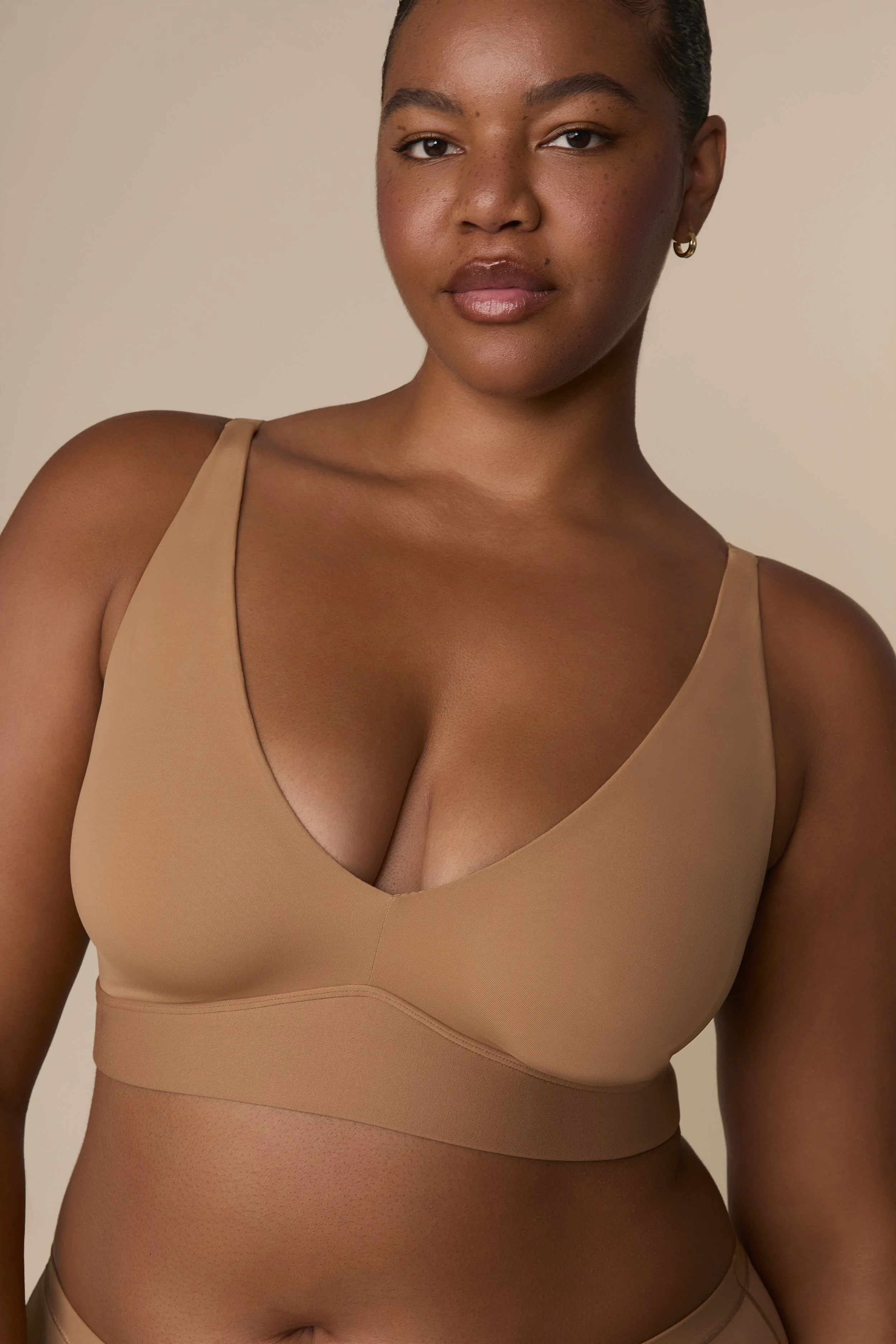
Success Metrics
Before exploring solutions, I aligned on clear success criteria. Any new workflow needed to:
Reduce cost per image
Reduce turnaround time from photoshoot to final assets
Increase consistency across large batches of images
Maintain Harper Wilde’s high-end retouching standards, with no visible sacrifice in quality
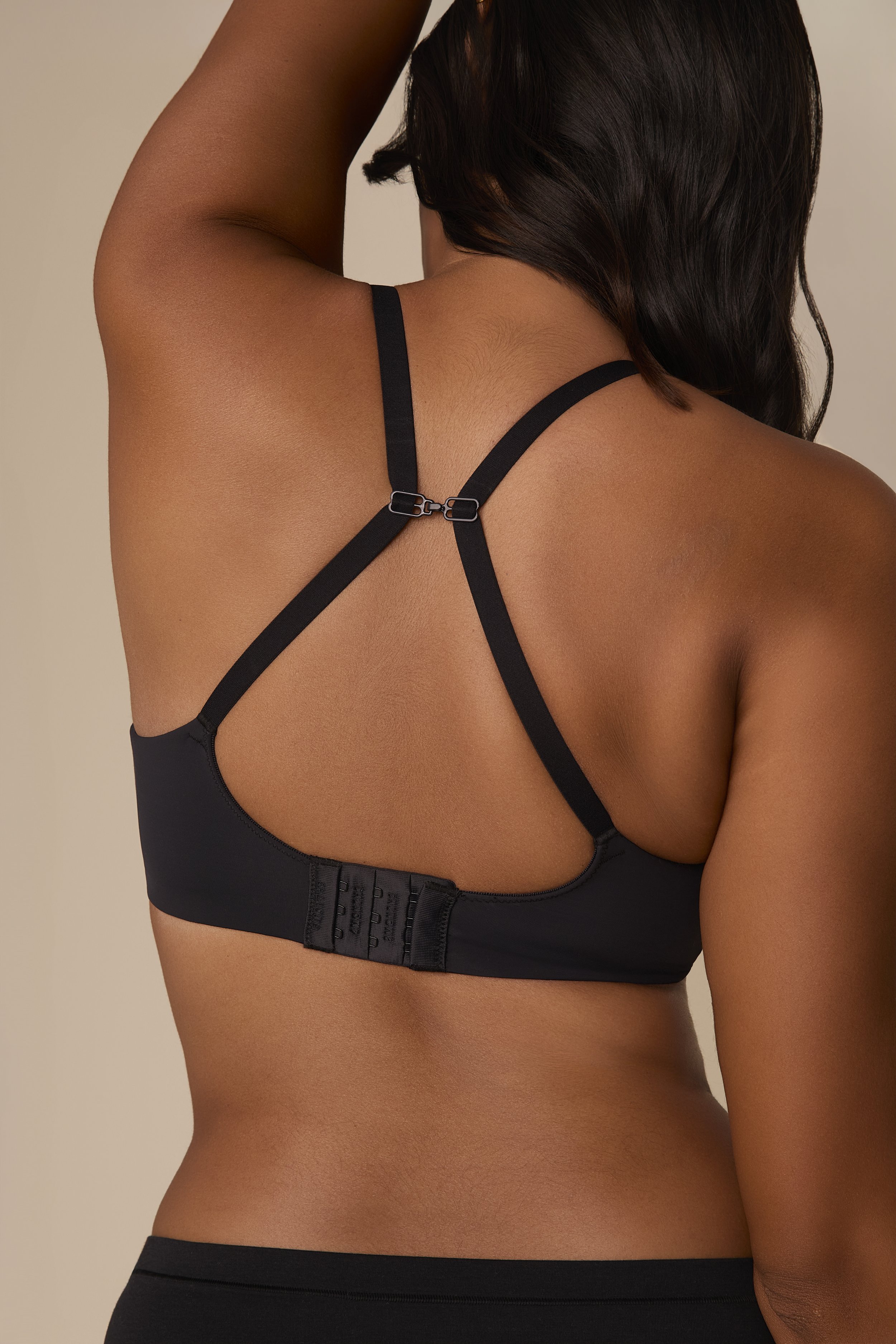
Process & Approach
Research
I began by researching multiple approaches to improving post-production efficiency, including workflow optimizations, retoucher training, and software solutions. After evaluating several options, I identified an AI-empowered retouching platform that showed a lot promise in addressing both scale and consistency challenges.
This solution stood out because it handled the foundational retouching work extremely well — things like blemish removal, skin smoothing, small tattoo removal, and cleaning up flyaway hair. It also made it easy to apply the same customized adjustments to the same talent across large batches of images, addressing our need to maintain consistency at scale, all at a fraction of the cost of our existing process.
I hypothesized that incorporating this software into our workflow and thereby automating core retouching requirements could cut costs and turnaround times by at least half. This would allow our retouchers to focus their time (and our budget) on higher-value tasks, such as product fit corrections and more complex requests.
Testing
Before proposing any changes to our production workflow, I conducted a thorough trial of the software.
I evaluated its retouching output for quality against our existing brand standards and compared results to our best work examples from our traditional retouching process.
I then pressure-tested in a full range of potential use cases, including various hair textures, skin tones, lighting scenarios, and complex vs simple backgrounds.
I compiled findings into a clear presentation for leadership, outlining benefits and limitations, side-by-side visual comparisons to demonstrate quality parity, and a cost savings projection.
Unretouched image
Retouched manually by retoucher
Retouched with AI-empowered software
Integration
After receiving approval, I led the integration of the new software into our existing post-production workflow during the following production cycle. This included:
Defining when and how the tool would be used within the retouching pipeline — I would own the execution of basic retouching with the software tool before handing off to the external retouching team.
Aligning external retouchers on updated expectations and standards — I communicated that they would no longer be responsible for basic skin, hair, and background cleanup unless specifically requested.
Establishing quality checkpoints to ensure brand consistency — I continued to thoroughly check each image to make sure nothing had gone awry in the automation process before export.
Documenting process updates — I updated task templates in Asana and SOP documentation to reflect the new workflow.

Results
The new retouching workflow delivered immediate and measurable improvements during the following photoshoot production cycle, checking the boxes for all of the success metrics I outlined at the outset of this initiative:
58% reduction in cost per image
77% reduction in turnaround time per image
Significantly improved visual consistency across large volume (500+) image batches.
Maintained an elevated, premium retouching look aligned with Harper Wilde’s brand standards
The updated post-production workflow allowed us to maintain Harper Wilde’s high retouching standards while significantly reducing both cost and turnaround time. By course-correcting our approach to post-production, we avoided exceeding the 2025 budget — an outcome that would have been unavoidable under the previous workflow.
Faster turnaround times meant imagery was consistently delivered well ahead of launch dates, giving my team greater flexibility to accommodate shifting timelines and allowing product merchandising and marketing partners to confidently pull launches forward as needed. Overall, the new workflow established a scalable foundation to support continued growth and increased production volume in the future.